L'ACLS: qu'est-ce que c'est?
Pourquoi l'ACLS
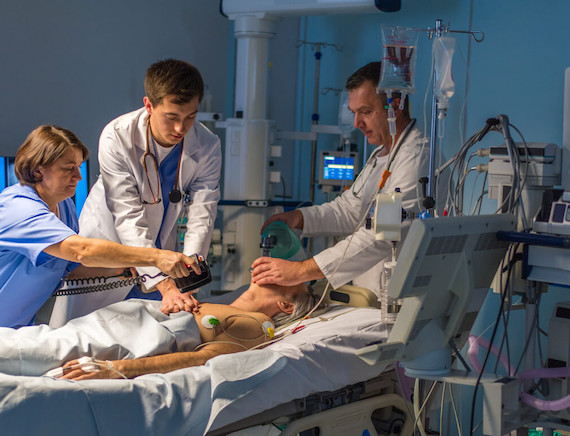
L'ACLS, ou Advanced Cardiac Life Support (Support Avancé de Vie Cardiovasculaire), joue un rôle fondamental dans la médecine moderne. En tant que protocole d'intervention d'urgence, l'ACLS est spécifiquement conçu pour traiter les situations critiques mettant en danger la vie du patient, telles que les arrêts cardiaques, les arythmies graves et les détresses respiratoires. Ce programme de formation spécialisé permet aux professionnels de la santé, tels que les médecins, les infirmières et les secouristes, d'acquérir les compétences et les connaissances nécessaires pour gérer ces situations stressantes avec efficacité et assurance. Grâce à l'ACLS, les intervenants sont capables de reconnaître rapidement les signes vitaux instables, de pratiquer des gestes de réanimation appropriés, d'administrer des médicaments critiques, et de fournir des soins ciblés pour rétablir la circulation sanguine et la fonction respiratoire. L'importance de l'ACLS réside dans sa capacité à sauver des vies en instaurant rapidement des mesures vitales, ce qui fait de cette approche un pilier essentiel de la médecine d'urgence moderne.
Avancées récentes de l'ACLS
Ces dernières années, les progrès dans le domaine de la science médicale et de la technologie ont révolutionné le domaine du Support Avancé de Vie Cardiovasculaire (ACLS). L'ACLS est un protocole d'intervention essentiel utilisé pour gérer les urgences mettant en danger la vie, en particulier les événements liés au cœur. Ces techniques récentes ont considérablement amélioré les résultats pour les patients et renforcé la capacité des professionnels de la santé à réagir efficacement dans des situations stressantes. Dans cette explication, nous examinerons trois des techniques les plus récentes utilisées dans l'ACLS.
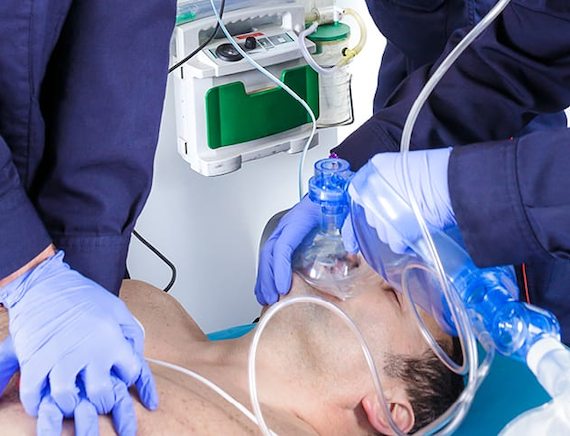
L'un des éléments principaux de l'ACLS est la RCP de haute qualité, qui a connu des avancées significatives ces derniers temps. Traditionnellement, la RCP consistait en des compressions thoraciques et des insufflations de sauvetage à un rythme et à une profondeur standard. Cependant, des recherches et des analyses de données ont montré que des compressions thoraciques continues et de haute qualité, sans interruption, peuvent être plus efficaces pour maintenir la circulation sanguine et l'apport en oxygène. Les nouvelles directives insistent sur des compressions thoraciques à un rythme d'au moins 100 à 120 compressions par minute et à une profondeur d'au moins 5 cm pour les patients adultes. De plus, l'introduction de dispositifs de retour d'information et de surveillance en temps réel de la RCP permet aux prestataires de soins de santé de s'assurer qu'ils réalisent correctement la RCP, optimisant ainsi les chances d'un résultat positif pendant les efforts de réanimation.
Les avancées dans la technologie médicale ont profondément influencé les procédures de l'ACLS. Par exemple, l'introduction des défibrillateurs externes automatisés (DEA) a permis une défibrillation rapide avant même l'arrivée du personnel médical sur les lieux. Les DEA sont des dispositifs conviviaux qui analysent le rythme cardiaque d'un patient et délivrent un choc si nécessaire, ce qui peut considérablement améliorer les chances de rétablir un rythme cardiaque normal et de survie en cas d'arrêt cardiaque soudain. De plus, l'intégration d'échographes portables dans l'ACLS permet aux prestataires de soins de santé d'évaluer rapidement la fonction cardiaque et d'identifier les causes potentielles d'urgences cardiovasculaires. Cette imagerie en temps réel aide à prendre des décisions critiques et à adapter les traitements à l'état spécifique du patient.
Le travail d'équipe efficace et la communication sont essentiels dans les scénarios de l'ACLS, surtout dans des environnements stressants où la coordination est primordiale. La formation récente en ACLS met l'accent sur l'utilisation de la communication en boucle fermée, où les membres de l'équipe reconnaissent explicitement et confirment les instructions données par les autres. Cette approche garantit que les informations cruciales sont reçues, comprises et mises en œuvre rapidement. De plus, les membres de l'équipe sont encouragés à assumer des rôles spécifiques pendant les efforts de réanimation, tels que chef d'équipe, gestionnaire des voies respiratoires, fournisseur de compressions thoraciques, administrateur de médicaments et enregistreur. Cette répartition des responsabilités optimise l'efficacité, réduit les erreurs et améliore la coordination générale pendant les interventions d'urgence.
En constante amélioration
Les techniques récentes utilisées dans l'ACLS ont considérablement amélioré la gestion des urgences mettant en danger la vie et augmenté les chances de résultats positifs pour les patients. De la RCP de haute qualité à l'intégration de dispositifs médicaux avancés, en passant par une approche axée sur le travail d'équipe et la communication, ces avancées soulignent l'engagement continu de la communauté médicale à améliorer les soins d'urgence et à sauver plus de vies dans des situations critiques.